Purchasing a home is one of the most significant investments we will make in our lifetimes. With so much at stake, it is crucial to have a trusted professional by your side throughout the process.

Dated: November 19 2023
Views: 556
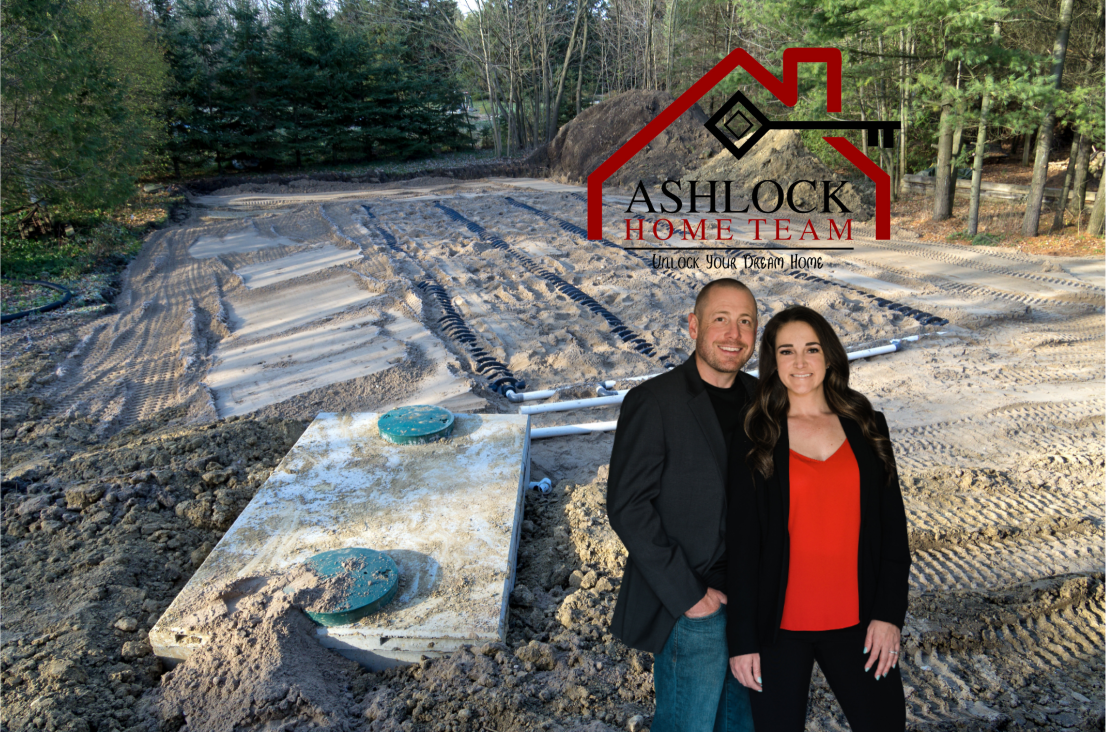
Septic systems are a crucial component of rural or remote homes, ensuring proper treatment and disposal of sewage. There are several types of septic systems, each with its own maintenance needs and benefits. Understanding the differences between these systems and how to maintain them properly is essential for homeowners to ensure their longevity and effectiveness.
One of the most common types of septic systems is the conventional gravity system. This system relies on gravity to move waste from the household into the tank, where solids settle at the bottom and liquids are released into the drain field. This type of system requires regular pumping of the tank to remove accumulated solids and prevent blockages in the drain field.
Another type of septic system is the aerobic treatment unit (ATU). This system uses oxygen to break down waste more efficiently, resulting in cleaner effluent. ATUs require regular maintenance to ensure proper oxygen levels and to clean or replace the aeration system as needed.
In contrast, a mound septic system is utilized in areas with high groundwater or shallow bedrock. In this system, the drain field is elevated above ground and utilizes a pump to distribute effluent evenly. Mound systems require regular inspection and maintenance to prevent the system from becoming clogged or compromised by shifting soil.
Finally, a drip irrigation septic system is ideal for properties with limited space or poor soil conditions. This system distributes effluent through a series of small, shallow trenches to allow for natural filtration. Regular inspection of the distribution lines and cleaning of any accumulated debris is essential for the proper functioning of this system.
Maintaining a septic system is vital for its longevity and effectiveness. Homeowners should schedule regular inspections and pumping of their tanks, typically every 3-5 years, depending on usage and the type of system. Additionally, it is crucial to avoid flushing non-biodegradable items or harsh chemicals into the system, as these can disrupt the natural treatment process and lead to costly repairs.
In conclusion, septic systems come in various types, each with its own maintenance requirements. Proper care and regular inspections are essential for the longevity and effectiveness of these systems. By understanding the differences between septic systems and implementing necessary maintenance practices, homeowners can ensure a properly functioning and environmentally friendly sewage treatment system for their property.


Ben was born and raised in Jefferson County, WV. Before beginning his real estate career, he spent 12 years in the hospitality industry at the world-renowned Bavarian Inn in Shepherdstown, WV. This ex....
Purchasing a home is one of the most significant investments we will make in our lifetimes. With so much at stake, it is crucial to have a trusted professional by your side throughout the process.
When it comes to choosing the right flooring for your home, there are a myriad of options to consider. Each type of flooring has its own set of pros and cons, which can make the decision-making
First and foremost, it is essential to prioritize safety after a storm. Check for any structural damage to your home and ensure it is safe to enter. If there are downed power lines or gas leaks, do
Landscaping is a wonderful way to enhance the beauty and functionality of your outdoor space. With the right design and care, you can transform your yard into a tranquil oasis where you can relax
 © BRIGHT, All Rights Reserved
Information Deemed Reliable But Not Guaranteed
The data relating to real estate for sale on this website appears in part through the BRIGHT Internet Data Exchange program, a voluntary cooperative exchange of
property listing data between licensed real estate brokerage firms in which
participates, and is provided by BRIGHT through a licensing agreement.
The information provided by this website is for the personal,
non-commercial use of consumers and may not be used for any purpose other than to identify prospective properties consumers may be interested in purchasing.
Data last updated: September 26, 2026 1:41 AM UTC
Some properties which appear for sale on this website may no longer be available
because they are under contract, have Closed or are no longer being offered for sale.
Some real estate firms do not participate in IDX and their listings do not appear on this website. Some properties listed with participating firms do not appear on this website at the request of the seller.
Show More...
